

Exposure and gradual desensitisation
The key is that you remain in control of the pace. There is no rush. Each step is designed to build confidence and create positive or neutral experiences that help retrain your brain.
Avoidance is one of the most natural responses to fear. If something makes us anxious, we stay away from it. In the short term, this can feel like relief. However, over time, avoidance tends to make anxiety stronger. The longer you stay away from dental care, the more unfamiliar and intimidating it can feel. Gradual exposure, also known as desensitisation, works by gently and progressively reintroducing dental experiences in a way that feels manageable. Rather than jumping straight into treatment, the process is broken down into smaller steps.
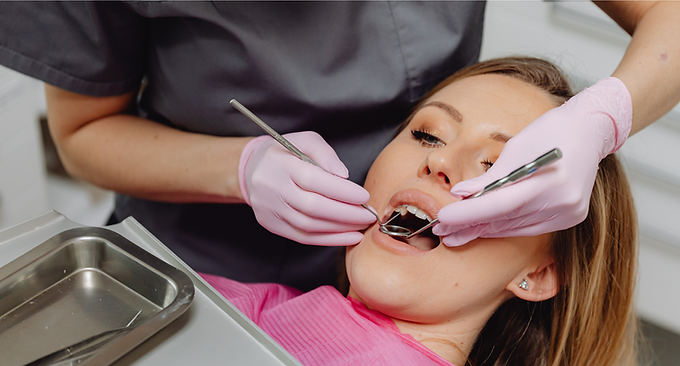
This might begin with something as simple as visiting the clinic and meeting the team, without having anything done. The next step could be sitting in the dental chair, followed by a short examination, and eventually progressing to treatment when you feel ready.
The key is that you remain in control of the pace. There is no rush. Each step is designed to build confidence and create positive or neutral experiences that help retrain your brain.
From a psychological perspective, this process helps reduce the “threat response” associated with dental visits. When your brain repeatedly experiences a situation without harm, it begins to update its expectations. What once felt dangerous starts to feel more predictable and safe.
It’s important that exposure is done in a supportive environment. Feeling heard, respected, and not pressured makes a significant difference. The goal is not to “push through” fear, but to gently expand your comfort zone.
Over time, many people find that situations they once avoided become much easier to manage. What initially felt overwhelming becomes something that feels achievable.
Gradual exposure is a powerful tool because it works with your natural learning processes. It allows confidence to build step by step, creating lasting change rather than temporary coping.
Written by Dr Trent Davidson and Dr Helen Fisher from Mindset Dental in Brisbane 2026


